
Nikon Began Steps to Acquire RED in 2022 ‘Due to the Lawsuit’
Nikon confirmed that it began considering acquiring RED due to the lawsuit the cinema company filed against Nikon back in 2022.
Nikon confirmed that it began considering acquiring RED due to the lawsuit the cinema company filed against Nikon back in 2022.

Four school boards in Ontario, Canada have launched a $4.5 billion lawsuit against social media giants Meta, Snapchat, and TikTok for what they describe as negligently designed apps.

Two longtime stalwarts of the film photography industry, Fujifilm and Eastman Kodak, are poised to battle it out in the courts as Fujifilm Corporation filed a patent infringement lawsuit against Eastman Kodak Company in the United States District Court for the District of New Jersey.

According to people familiar with the matter, the United States Justice Department is preparing a landmark antitrust lawsuit against Apple Inc. The suit, expected to be filed today in a New Jersey federal court, represents the latest in the Biden administration's attempts to deal with monopolization in big tech.

Famed fashion photographer Marc Baptiste has been accused of sexually assaulting a model during a shoot 20 years ago.

Photo Stealers, a website that has investigated and identified people who steal photos for over a decade, has become embroiled in increasingly expensive legal battles and was even brought offline by an alleged photo thief earlier this week.
The Madavor and BeBop saga has seemingly ended, thanks to a new settlement between Madavor's prior owner, Zilpin Group LLC, and the BeBop Channel Corporation. The settlement returns all BeBop-owned properties to Zilpin Group, LLC and cancels outstanding liabilities.

An artist has sued the Museum of Sex in New York City for using a photo of them kissing their ex-girlfriend without consent in its ad campaign.

Irish woman Kamila Grabska, 36, has lost a lawsuit she filed against RSA Insurance over alleged injuries sustained in a 2017 car crash. A 2018 photo of Grabska throwing a Christmas tree is at the heart of the legal outcome.

New York City Mayor Eric Adams announced that the city government filed a lawsuit against five social media platforms, including TikTok, Instagram, Facebook, Snapchat, and YouTube.
A 61-year-old grandfather is suing Macy's and Sunglass Hut over the stores' alleged use of facial recognition technology led to his wrongful arrest, imprisonment, and sexual assault in jail.

The BeBop Channel has filed a lawsuit in Massachusetts against Ziplin Group, LLP and its owner, Jeffrey Wolk, over BeBop's acquisition of Madavor Media early last year.

HP is facing a potential lawsuit as customers allege a firmware update prevented the use of third-party ink which the company then followed up by raising the price of first-party options.

A former photographer for the British royal family is suing a clothing store for allegedly using his image of Princess Diana in its advertising without permission.

A ski resort owner has filed a lawsuit against a fashion brand that is allegedly sending "influencers" to do photo shoots in its clothing on the slopes.
Social media giant Meta is suing the Federal Trade Commission (FTC) over monetization of children's data and to prevent regulators from reopening a 2020 privacy settlement, according to reports.

Disgraced fashion photographer Terry Richardson is back in the news again, and as has been the case for more than a decade, it is not good news for the once-famous, always controversial photographer.

Defunct animated photography app Phhhoto is attempting to revive a lawsuit against Meta -- in which the company accused Instagram of copying its main feature.

A judge has ruled that social media companies -- including Meta, Google, Snap, and ByteDance -- must face the hundreds of lawsuits blaming them for children's addiction to its platforms.

A photographer is suing Guns ‘N’ Roses for copyright infringement and their management for sexual harassment.

Late last month, Zaxcom, Inc. filed a lawsuit against Rode Microphones, LLC and Freedman Electronics Pty Ltd.

A camerawoman, who claims Marilyn Manson caused her “fear and anxiety” after he spit and blew his nose on her at a concert, has revived her lawsuit against him.

A Christian wedding photographer has won a settlement in a lawsuit against the state of Virginia after he refused to shoot same-sex marriages.
A group of 33 states are suing Meta for allegedly harming young people’s mental health by knowingly designing features on Instagram and Facebook to hook children to its platforms.

A federal judge has ruled that Netflix may have defamed a Kentucky man, Taylor Hazlewood, after the streaming company used a photo of Hazelwood in a true-crime documentary about a convicted murderer.
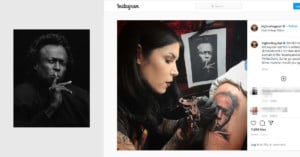
A judge has granted a jury trial to the photographer suing celebrity tattoo artist Kat Von D for using his photo of jazz musician Miles Davis as a tattoo for a client -- following the U.S. Supreme Court's ruling on The Andy Warhol Foundation v. Lynn Goldsmith case.

A family is suing American Airlines after their teenage daughter allegedly found a camera taped to the lid of the airplane lavatory's toilet.

A Canadian couple has won a lawsuit against Italy's ruling party after they used a photograph of them with their newborn baby without permission in an anti-surrogacy campaign.
A professional photographer is suing a New York City socialite and former client for getting him jailed on false charges and destroying his once-promising career.

Bella Hadid has been sued by a photographer who claims to have screenshotted their photo being used without permission on the supermodel's Instagram story.

A disgruntled customer has sued Taco Bell after his Mexican Pizza did not look like the one advertised in the company's promotional photos.

A father is suing a hospital after staff allegedly posted photos of his dying son on Instagram and treated him "like an art exhibit."

The BeBop Corporation has sued online rental studio platform Giggster for $25 million, alleging breach of contract and fraud over the sale of multiple photo publications including Outdoor Photographer and Imaging Resource.

A photographer has filed a personal injury lawsuit after being seriously injured in a devastating helicopter crash to a wedding day photoshoot -- which effectively ended her career.
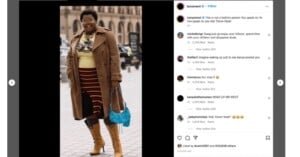
Kanye West has been sued by a photographer for allegedly using her photo without permission to taunt a Vogue Editor on Instagram last year.
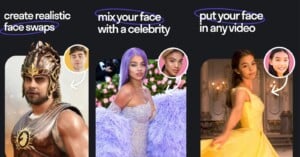
Viral face-swap app Reface is facing a lawsuit for commercially exploiting photos of celebrities.

A couple has claimed that the state of Connecticut put a camera on a wandering bear to illegally film their property.
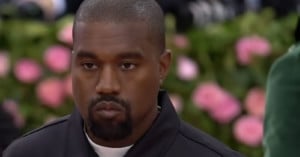
Kanye West is being sued by a photographer after the rapper threw her phone into the street during an encounter earlier this year.

A photographer has filed a lawsuit against the XFL accusing the football league of using her photos without compensating her.
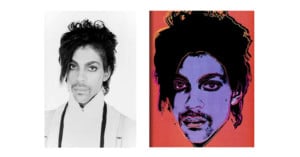
The United States Supreme Court has released its opinion on The Andy Warhol Foundation v. Goldsmith case, finding in favor of Lynn Goldsmith and stating that Warhol's use of her photo was not fair use.