A Philosopher Talks About the Work of Street Photographer Garry Winogrand


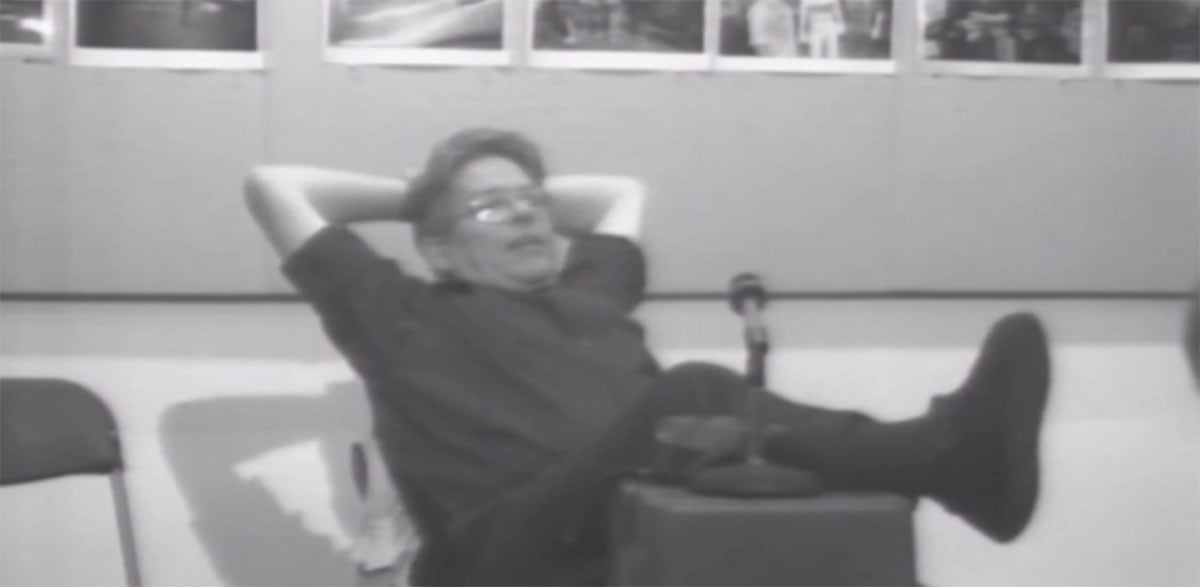
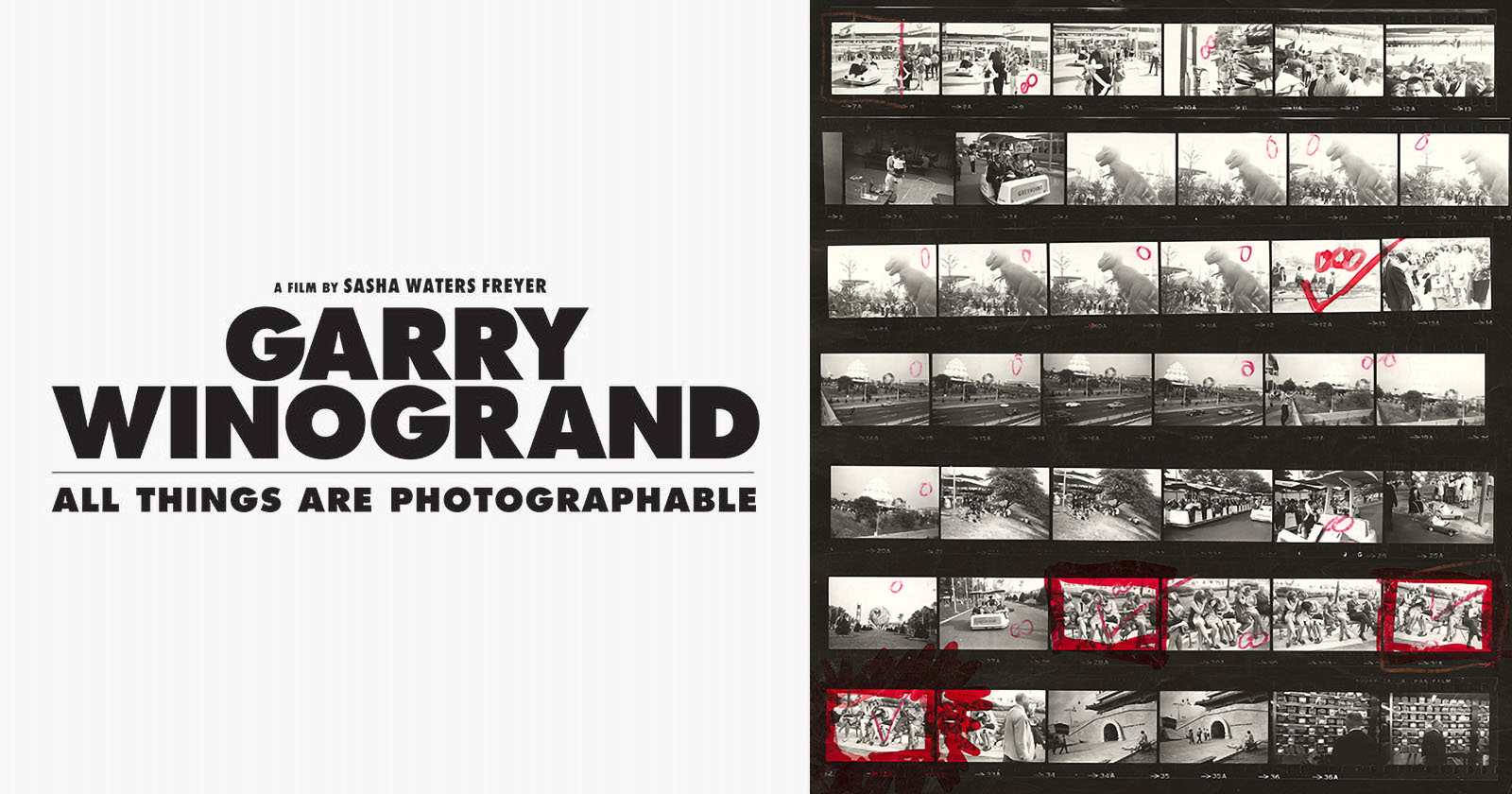
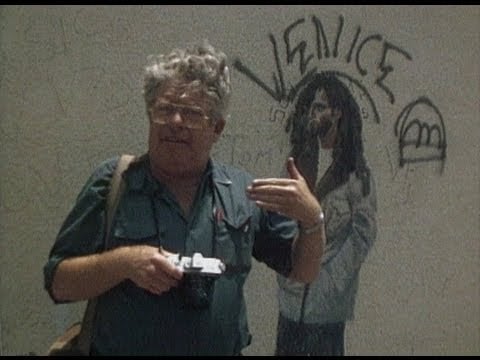
Philosopher and Georgia Tech professor Ian Bogost gave this short talk recently on the photography of renowned American street photographer Garry Winogrand, specifically focused on Winogrand’s famous quote in which he says,

I photograph to see what the world looks like in photographs.

Unless you’re a philosopher, this may be the most confusing photography talk you’ve ever heard. See if you can wrap your mind around what Bogost is saying…


  • http://www.facebook.com/people/Tatyana-Skymyrka/723478596 Tatyana Skymyrka

    by the very least, it is a refreshing interpretation.  The more time I spend schmoozing in a “world of photography” the more irate I become with notion that somehow documentary/event/street photographers project their own role/philosophy on creating the images and a narrative in them as a final result.  Reality is often the opposite, and this video illustrates the truth of image cataloging philosophy perfectly.

  • http://www.facebook.com/people/Tatyana-Skymyrka/723478596 Tatyana Skymyrka

    by the very least, it is a refreshing interpretation.  The more time I spend schmoozing in a “world of photography” the more irate I become with notion that somehow documentary/event/street photographers project their own role/philosophy on creating the images and a narrative in them as a final result.  Reality is often the opposite, and this video illustrates the truth of image cataloging philosophy perfectly.

  • http://www.facebook.com/TylerJBranston Tyler James Branston

    Most monotone commentator ever.

  • http://www.facebook.com/TylerJBranston Tyler James Branston

    Most monotone commentator ever.

  • ScottishSnapper

    “The indifferent asphalt…bricks unsusceptible to sorrow”

    This guy gets it.

  • ScottishSnapper

    “The indifferent asphalt…bricks unsusceptible to sorrow”

    This guy gets it.

  • Guesto

    Bogost is brilliant.  Very insightful/

  • Marta.

    “To see the world of things as things in a world, rather than our world with things in it”. That’s some food for thought… I agree with Tatyana, but Tyler has a point: philosophy doesn’t need to be talked about with that sleep-your-audience-to-seem-interesting mode

  • http://www.bogost.com/ Ian Bogost

    Hey, thanks for posting this! 

    Sorry if some of you thought I spoke in monotone! I was trying for clarity and deliberateness, but I think more so I was very seriously jet lagged when I recorded it, having just flown from the US east coast to Korea. Anyway, I don’t think the philosophers minded, and I had no idea at the time that so many photographers would be watching it.

  • Gary

    Ian: I appreciate your deliberateness in this video. It allows me to really hear and get what you are saying.

  • Gary

    Ian: The image at around 24 seconds of the SPUR parade is actually a Lee Friedlander… another one of my favorite photographers. Friedlander probably falls into this same category of photographers to fit your philosophy, but was never as verbose.

  • Tod Papageorge

    I happen to be jet lagged right now, as you were when you recorded this talk, but wanted to write to say how much I enjoyed your words, and thoughts, about Garry and his photographs. One quibble: Garry’s actual words were, “I photograph to find out what something will look like photographed,” which effectively reduces the ‘world’ of your quote to the role of being the material substance, or ‘something,’ that provided Winogrand with the stuff of his project of transformation. This, then, points more clearly, I think, to the notion that he was acting less as an anthropologist of the ontological, and (much) more as an photographer forcefully shaping those ‘somethings’ into art. No, he wasn’t a ‘journalist-commentator’ on the ever-changing state of things, but he was a visionary whose strenuous thinking about the nature of photography could, finally, never be separated from the tremendously complex person who took it upon himself to engage with those questions by answering them in the street, one photograph at a time.

    If you’re interested, you might take a look at my writings on Winogrand in “Core Curriculum,” recently published by Aperture. But, once more, thank you: without suggesting that I’m anything like a spokesperson for his unexpressed thoughts, I think it’s fair for me to say that Garry would have enjoyed your observations about his work.

    Tod Papageorge

  • http://www.bogost.com/ Ian Bogost

    Gary, yes, you’re totally right of course. It was a strange mix-up, and I’d probably replace it if I redid the video, but I love the image so much image for the ideas at that point in the talk, I guess I don’t mind it there.

  • http://www.bogost.com/ Ian Bogost

    Tod, thanks so much for these comments. They mean a lot coming from you.

    I’m a little embarrassed to have inadvertently transposed that quote (since it’s the central point of the talk!) but looking around, I see I’m not alone in getting it wrong in the particular way that I do. Is it possible that both quotes appeared in different contexts? Even if not, I think the “something” is actually better for my argument, since “world” implies a stable totality that I’d rather avoid.

    I’ll definitely check out your book. Thanks again.