

The Celebrities You Might Not Know Are Into Their Photography
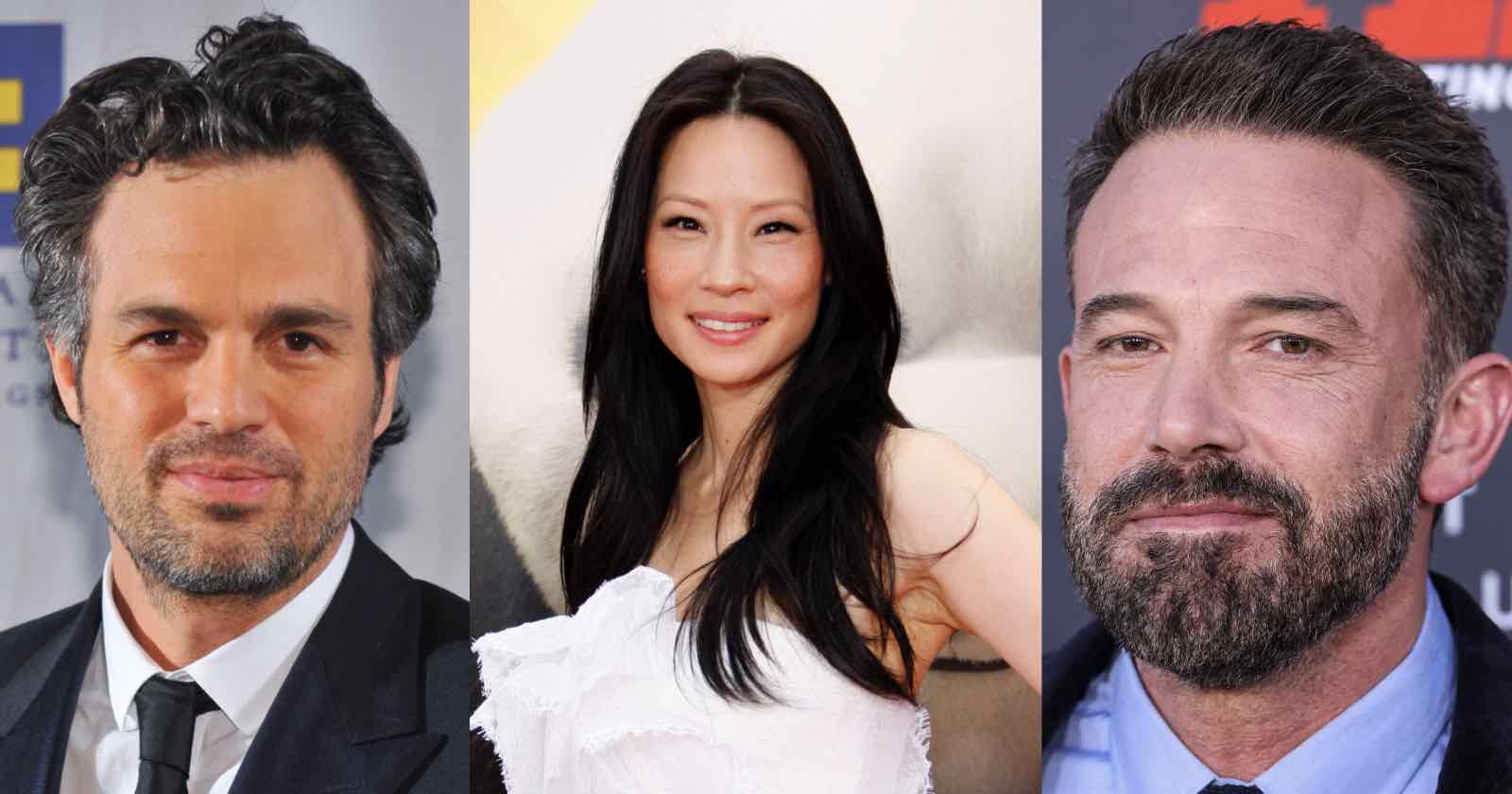
Everyone is a photographer, and that includes celebrities. But, some celebrities are seriously into their photography.
Everyone is a photographer, and that includes celebrities. But, some celebrities are seriously into their photography.
Norwegian astrophotographer Jan Erik Vallestad captured beautifully detailed photos of the city-sized comet 12P and, thanks to special image processing techniques, revealed a fantastic spiral formation surrounding the comet.
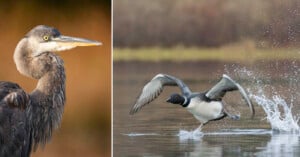
For nearly as long as I've been taking pictures, I've loved photographing loons. They have offered countless hours of joy behind the lens, taught me lessons about photography and ecology, and helped me find weaknesses in the cameras I've spent my career evaluating.

Due to a significant surge in tourism, Japanese authorities will build a large barrier to block views of Mount Fuji within Fujikawaguchiko, a town of about 25,000 residents located in the foothills around Mt. Fuji.

Following a 404 Media investigation into apps that advertised that they could generate non-consensual nude images, Apple has begun removing AI image-generation apps from its App Store.
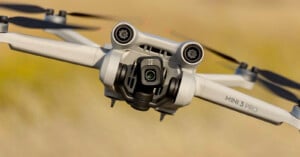
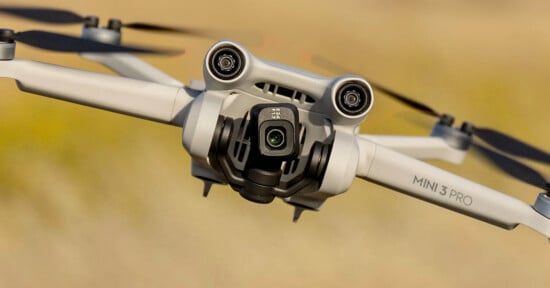
Members of the U.S. Government may push forward with a bill that aims to ban DJI's drones and prevent them from operating at all within the country.
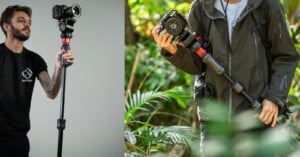
iFootage announced the Cobra 3 Strike monopod that tries to improve on the company's already great monopod series by adding the ability to extend and retract it one-handed.
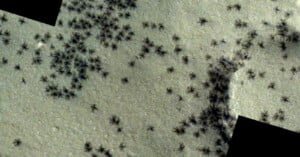
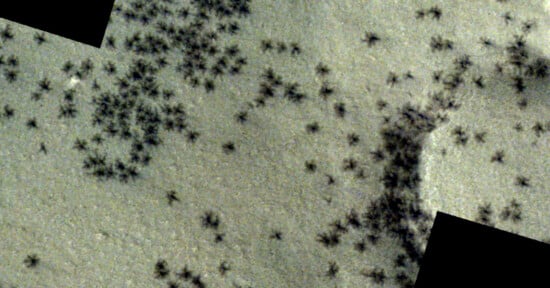
A photo taken by the European Space Agency's Mars Express orbiter has set the internet alight after it apparently shows large clusters of black spiders crawling on the surface of the Red Planet's southern polar region.

Camera sales have been on the up for several years now but that was mostly in contrast to how poorly the industry fared during the height of the pandemic. But this time, a research firm in Japan reports that the industry will grow for the first time in over a decade.
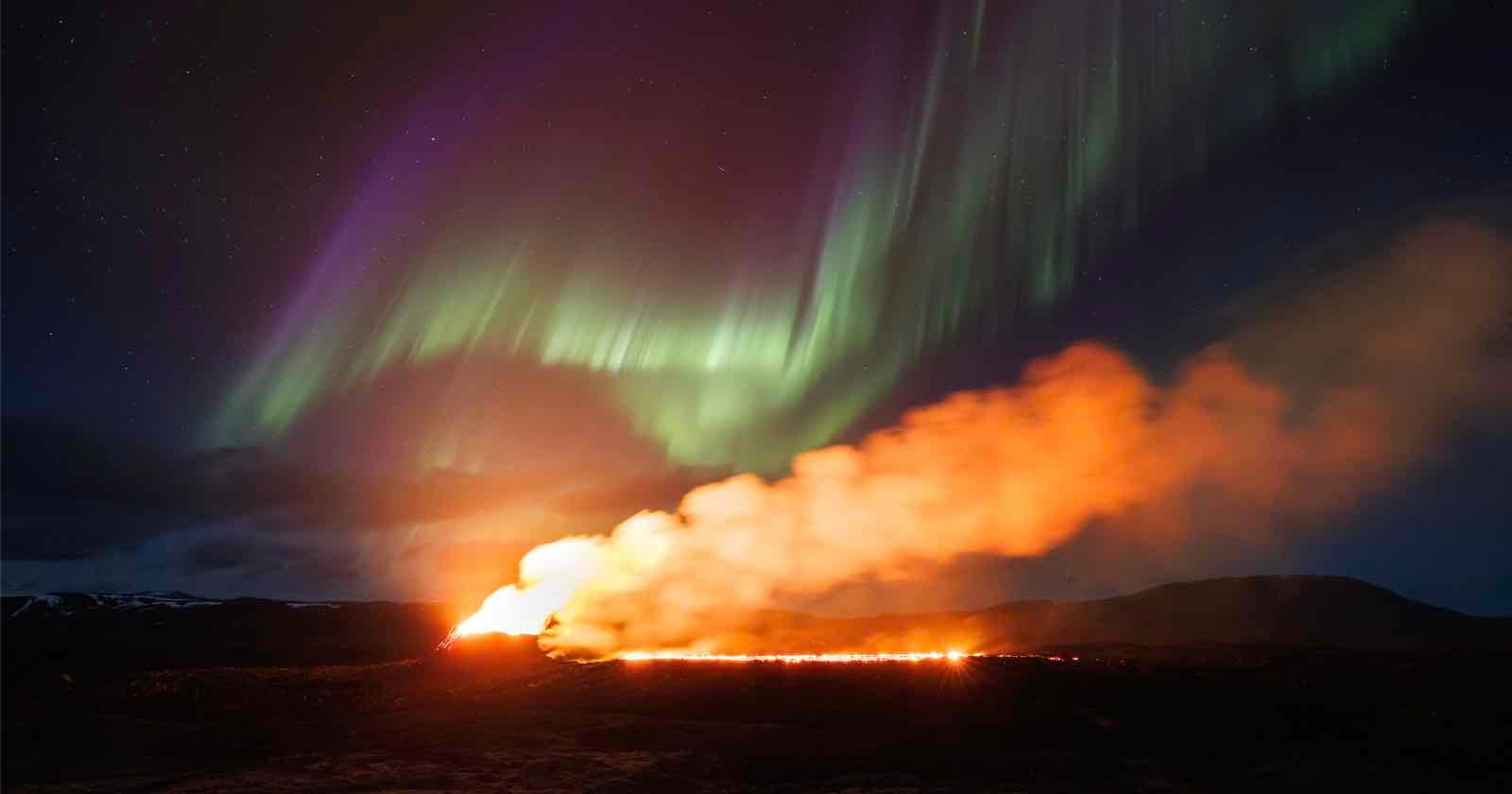
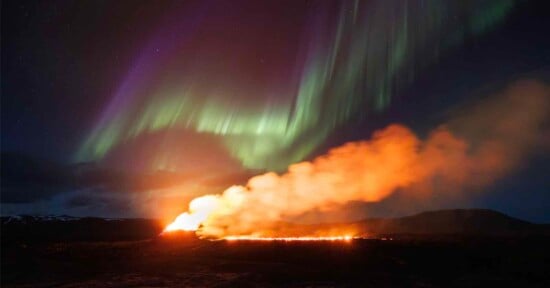
A photographer waited three years to capture these epic shots of the northern lights above an erupting volcano.

Boris Elgadsen, the man who was awarded first place for an AI image at the Sony World Photography Awards last year, is selling The Electrician for $21,500 (€20,000).
A new documentary, that is executive-produced by Wes Anderson, explores the life and work of American photographer James Hamilton.

A woman was scammed of $50,000 by a deepfake Elon Musk who sent her AI-generated photos and told her he loved her over a deepfake video call.

AI technology can predict a person's political views from a single photograph of them, according to a recent study.

Photojournalist Gabriele Micalizzi's first exhibition is now open in Milan, Italy, at the renowned 29 Arts in Progress gallery.
The Ray-Ban Meta Smart Glasses II, which Chris Niccolls described as impressive but ultimately a "luxury solution in search of a problem" in his review for PetaPixel, look to have found a problem to solve thanks to some fancy new AI technology.
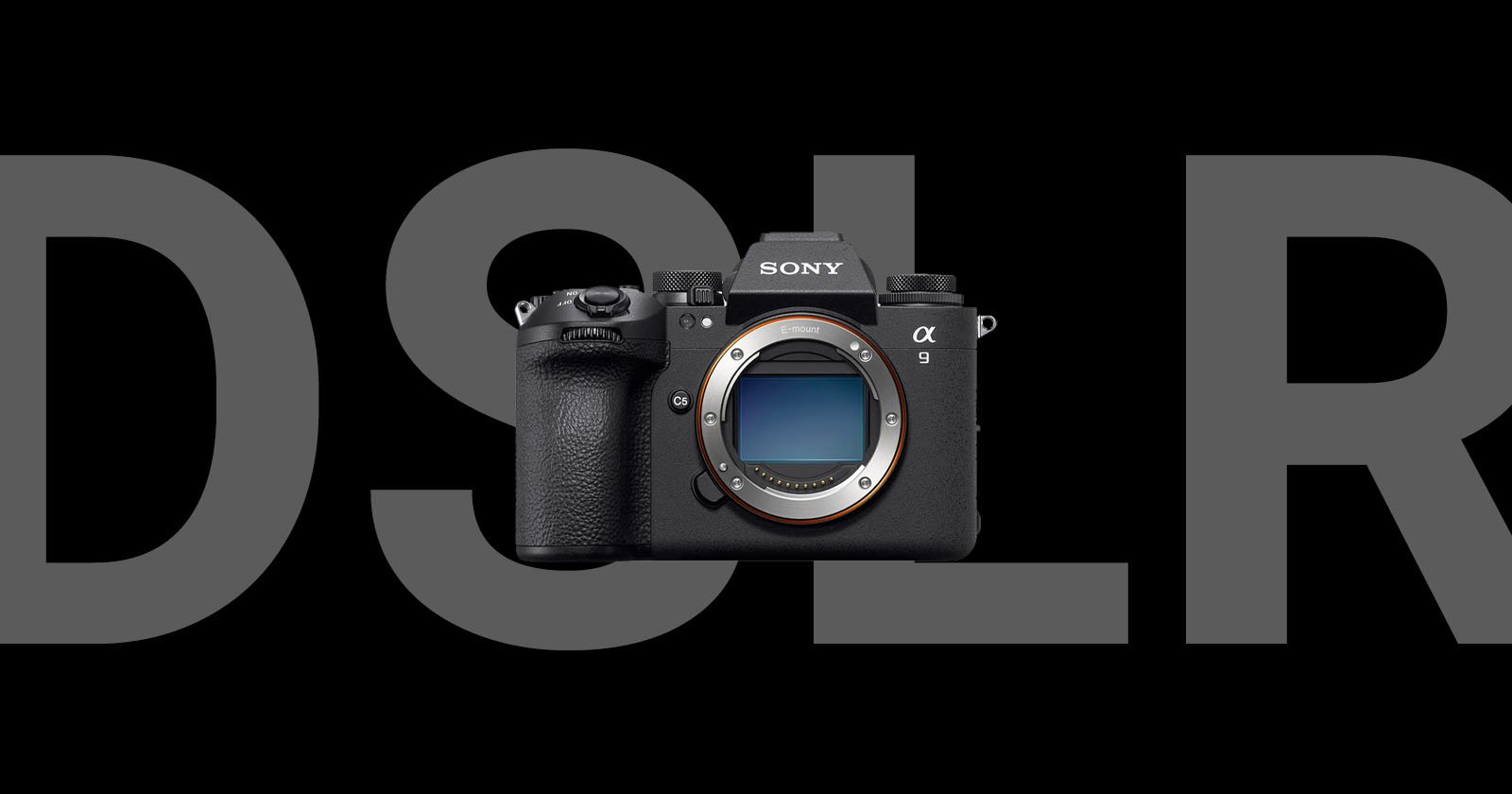
This week, director Steven Soderbergh took part in an interview where he discussed the making of Presence, in which he revealed it was filmed on a Sony a9 III... which he gleefully referred to as a DSLR.
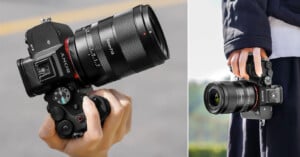
Alongside its new 27mm f/2.8 lens for APS-C E-mount cameras, 7Artisans has released its affordable 50mm f/1.8 prime lens for Nikon Z mount.
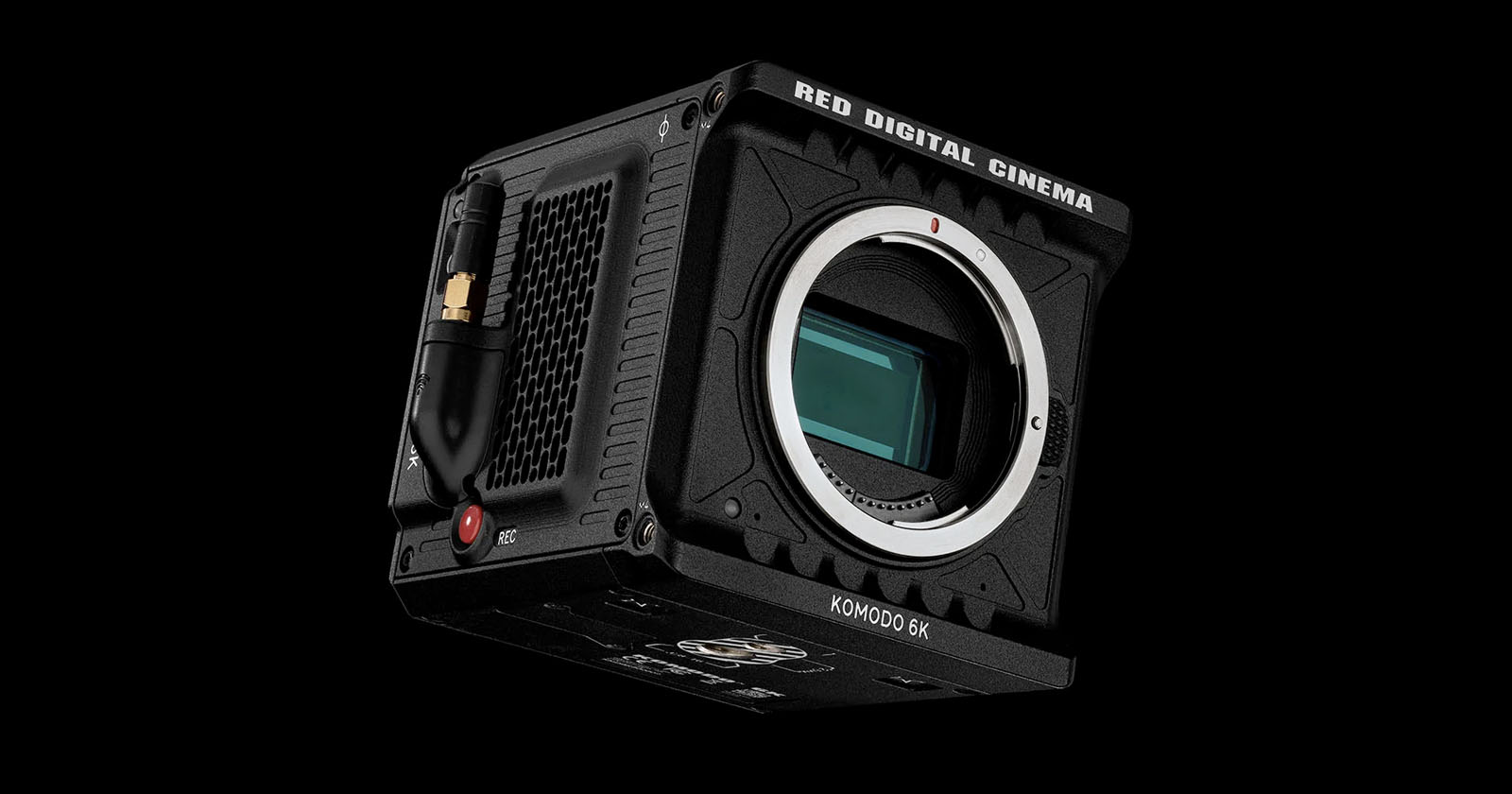
While it would prefer that filmmakers remember the advantages of RF-mount, speaking exclusively to PetaPixel, Canon is looking on the bright side of Nikon's acquisition of RED Cinema,

Renowned photographer Annie Leibovitz is selling her 65-acre California farm estate just five years after she purchased the property.
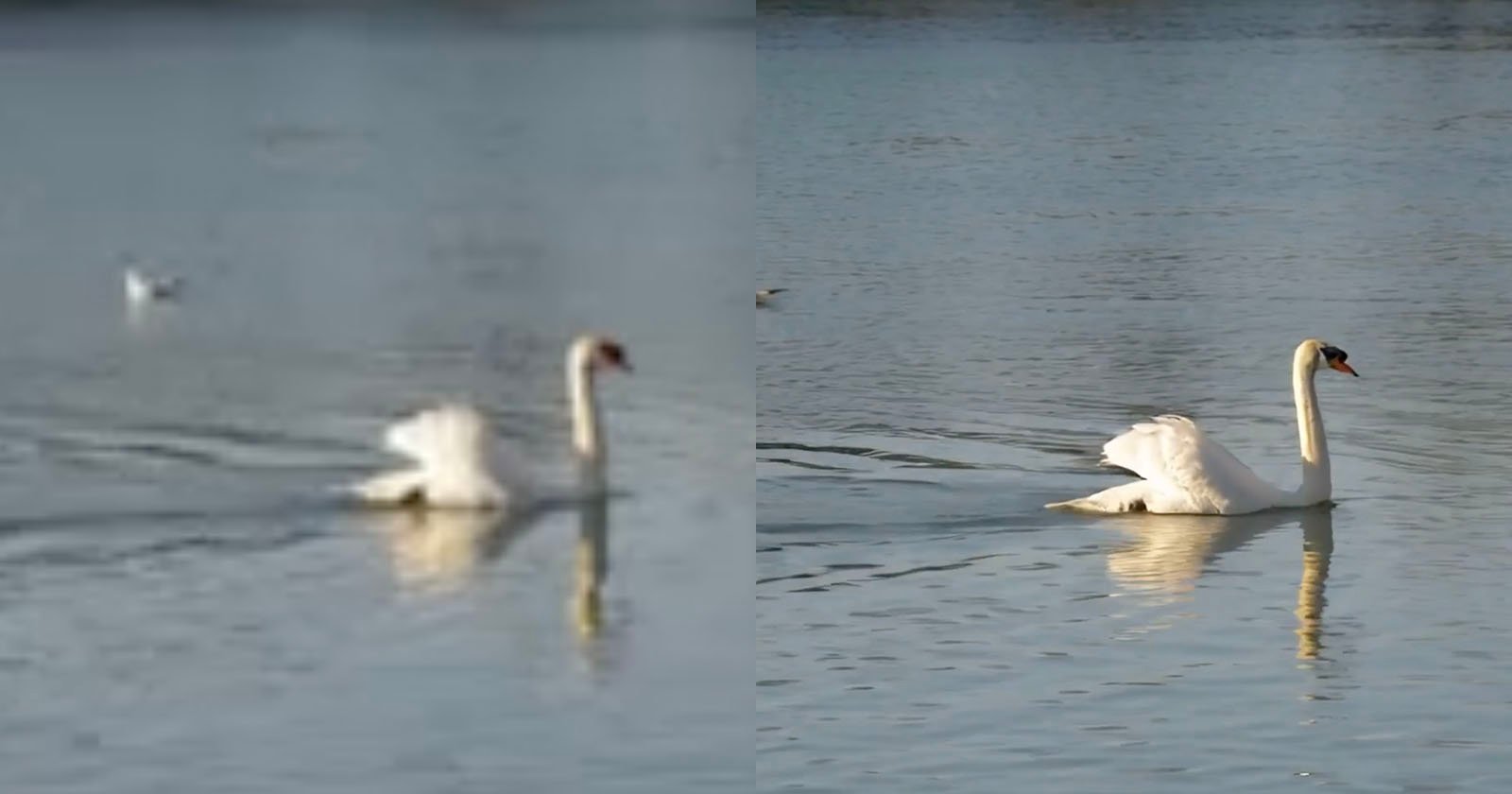
Adobe has previewed a new generative AI upscaler called VideoGigaGAN that is capable of upscaling low-resolution and blurry videos up to eight times.
The internet is being overrun by fake and bogus AI imagery and text. The question is, what are we going to do about it? The internet has always had a problem with misinformation, but that problem is being accelerated by AI and the deluge of fabricated lies and deceit. Is it not important that the truth is determined by how it matches up with reality?
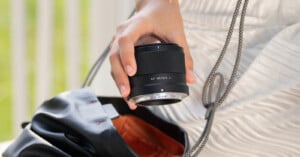
Viltrox announced a 40mm f/2.5 lens for full-frame Nikon Z-mount cameras that is super affordable, compact, and promises precise, accurate autofocus performance.
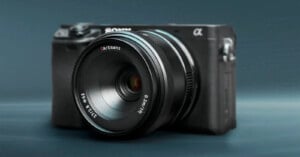
7Artisans has announced a 27mm f/2.8 STM autofocus lens for APS-C Sony E-mount cameras, like the a6400, a6700, and vlog-centric ZV-E10. 7Artisans only just recently began making autofocus-equipped lenses.

Researchers have developed a new technique for salvaging tarnished 19th-century daguerreotype photographs and revealing images that otherwise "seemed lost forever."

A bizarre AI video trend has seen scores of AI-generated trailers for movies and TV shows uploaded to YouTube and Instagram in a "Super Panavision 70" style.
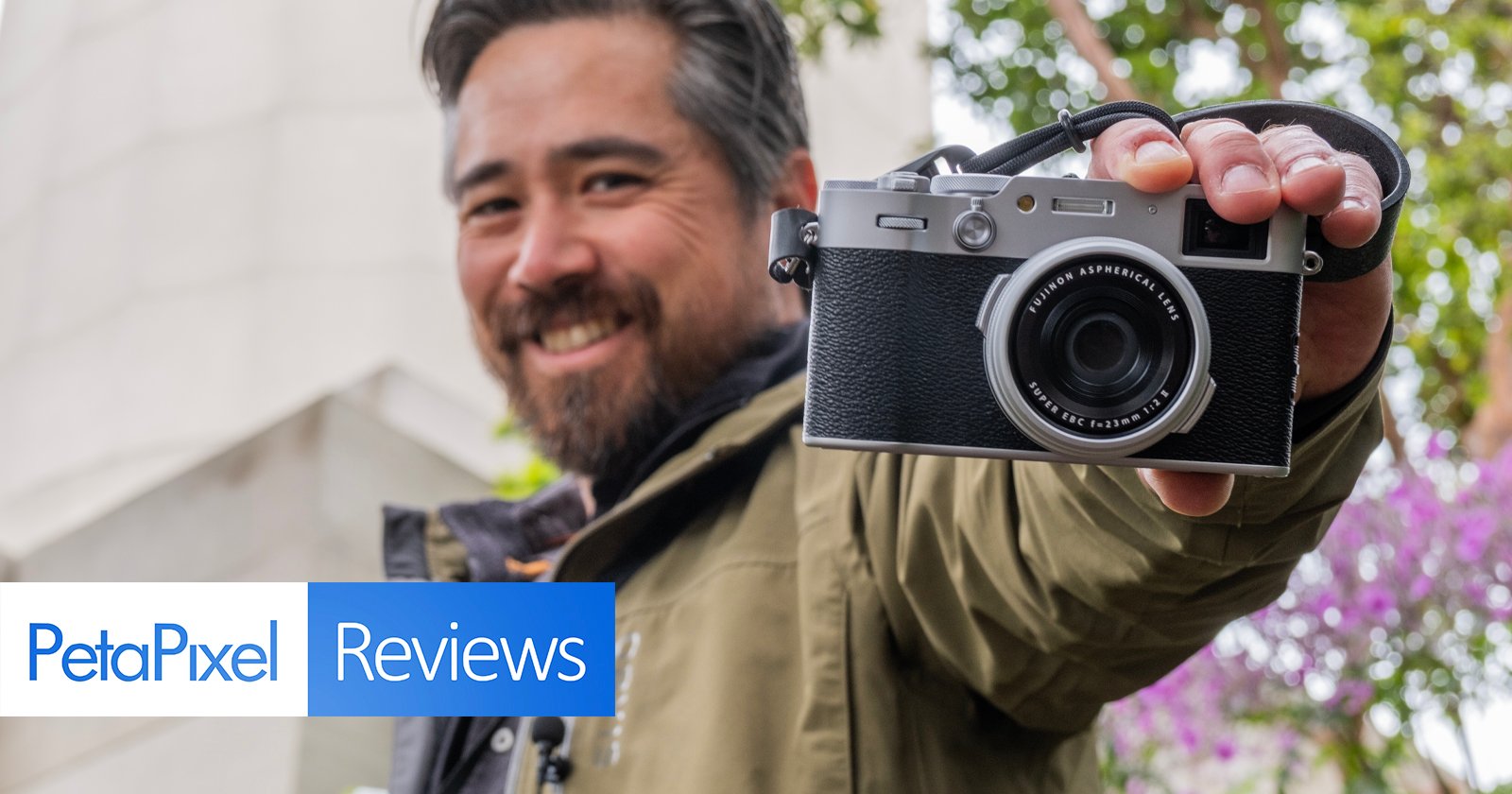
It is highly unlikely that you have not heard of the Fujifilm X100VI. Similarly, you've probably seen some polarizing discourse around it. For some reason, it's seemingly only appropriate to love this camera or dunk on it. There is no in between.
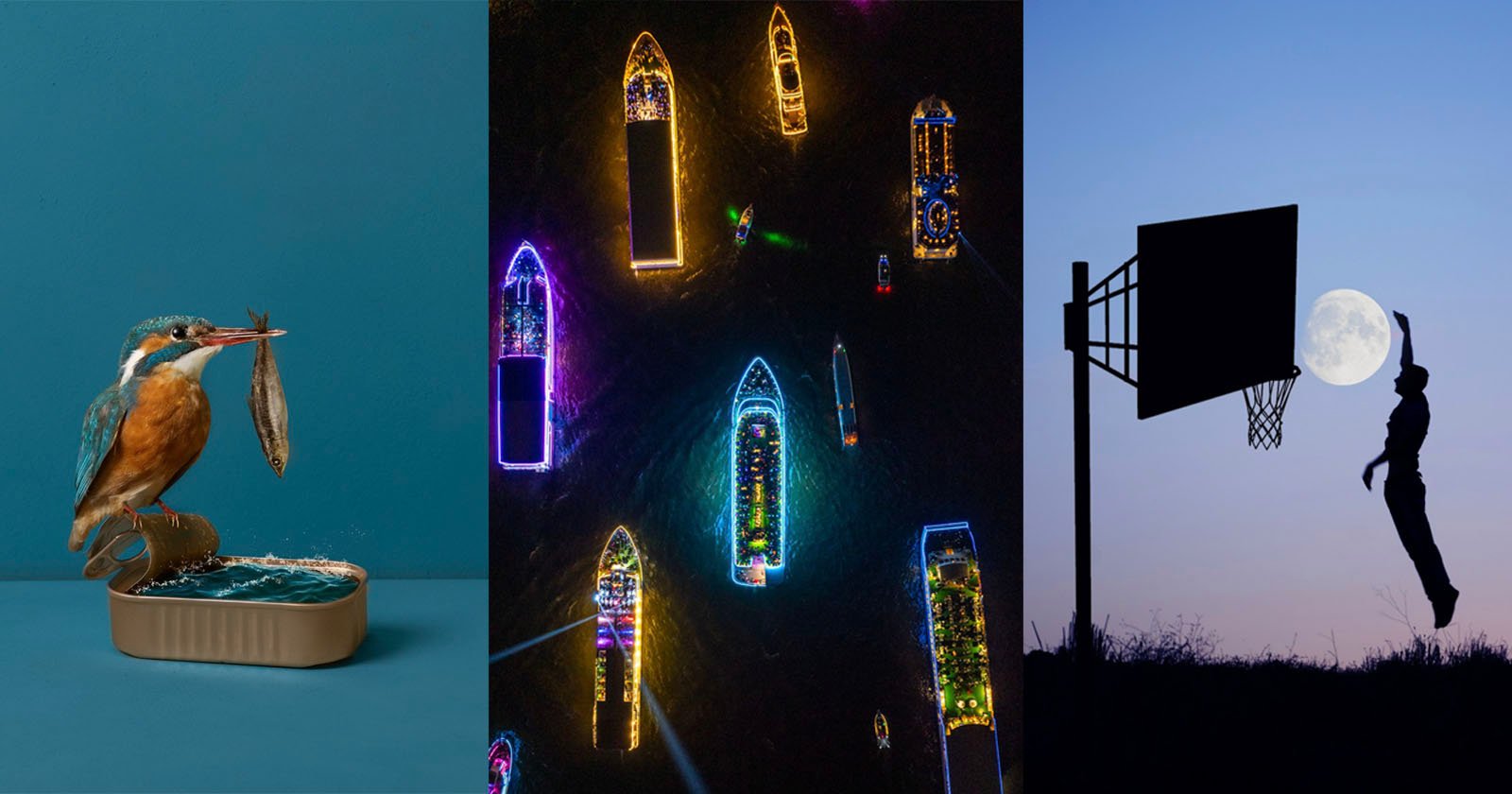
The winners of the reFocus Awards 2024 Color Photography Contest have been announced with over $4,000 in cash prizes being handed out.
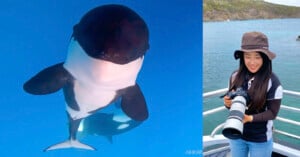
When Machi Yoshida visited an aquarium and saw orcas when she was a five-year-old child, the Japanese photographer instantly knew what she wanted to do with her life.
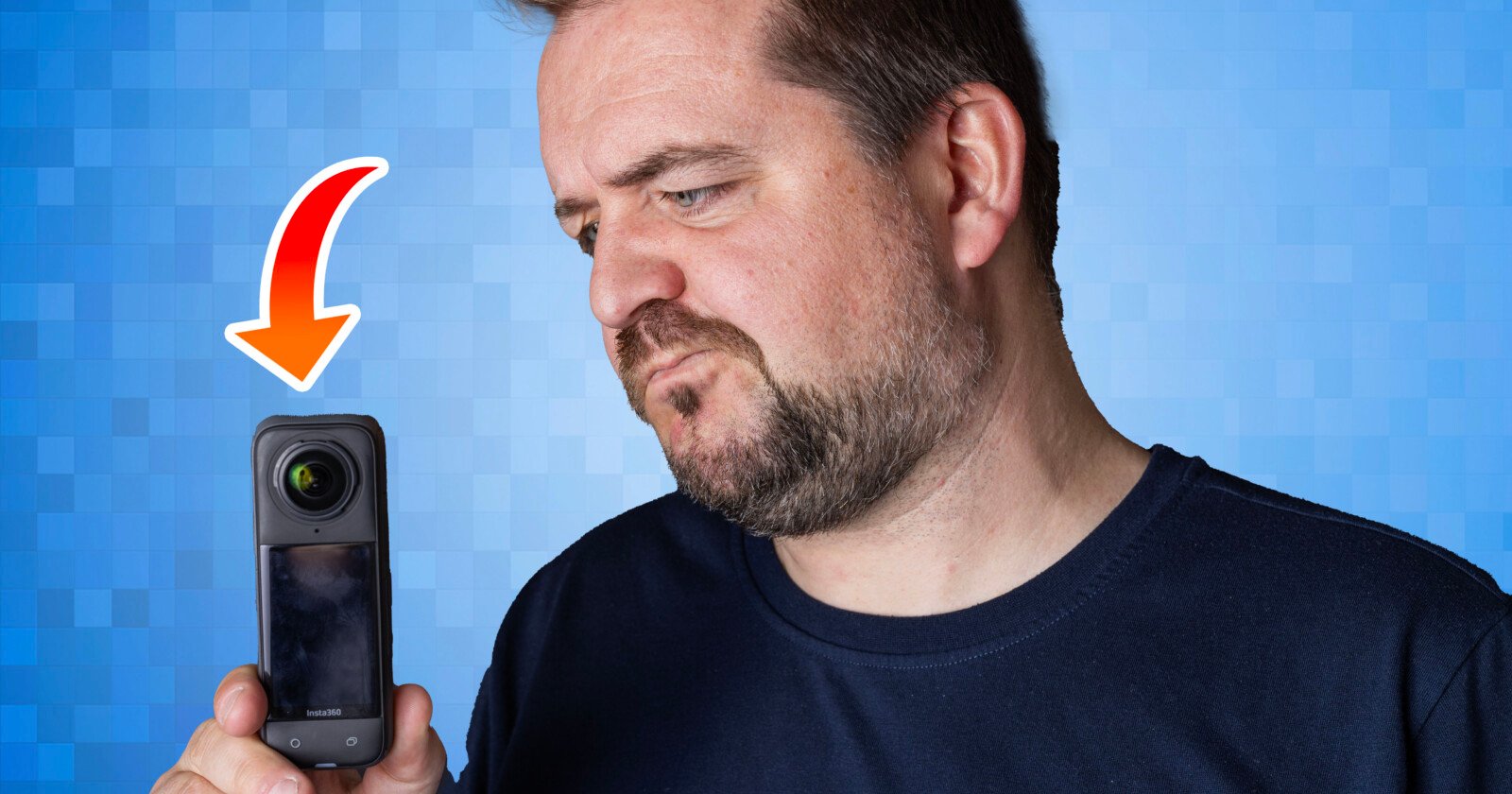
The biggest video-centric exhibition took place last week and brought with it a ton of news, including a new dual-lens camera from Insta360 called the X4 8K. There are a lot of conflicting reports on the video quality, though and Jordan Drake has thoughts.

Last November, Sony announced plans to bring custom gridlines to select Sony Alpha mirrorless cameras for a $150 fee. At the time, the company said the feature would arrive in March. While it's slightly late, it has arrived.
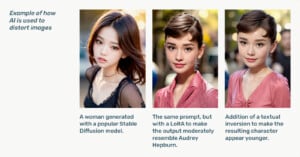
Several major players in the artificial intelligence field pledged to protect children online, marking another chapter in the progression of AI safety.

Zoner Photo Studio X's spring update promises to bring "the world's best HDR photo editing" to the Windows-based photography app, alongside other new features and improvements.
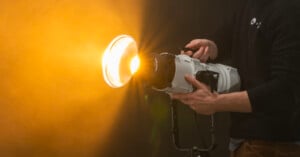
Maxima, the Italy-based lighting manufacturer that last year announced the insanely bright 6 GaN LED, today announced the Furiosa, what it is calling the the most portable, high-power, bi-color LED fixture on the market.
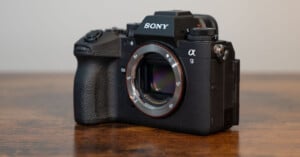
Last month, Sony announced significant firmware updates for four of its Alpha cameras, the a7S III, a7 IV, a1, and newest flagship, the a9 III. The latter two camera updates, due to an unexpected error in the case of the a1 and by design for the a9 III, were delayed until today, April 24. These new updates have arrived and are available to photographers now.
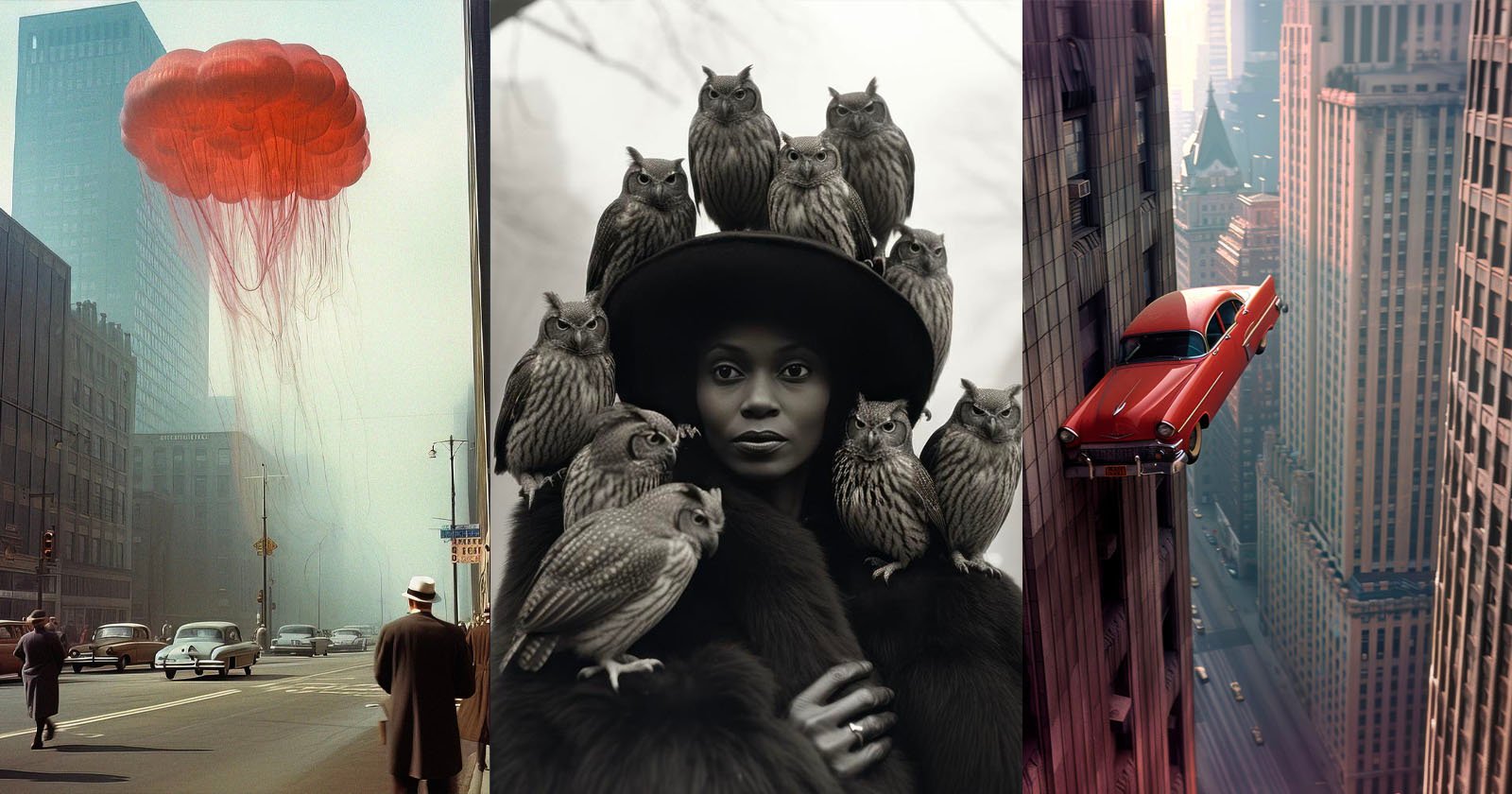
A photographer's new project reinvents 1940s and 1950s New York City via a series of fantastical AI-generated images that depict an alternative history.

Wednesday morning, President Joe Biden signed into law a bill forcing TikTok to divest from its parent company or face a ban.
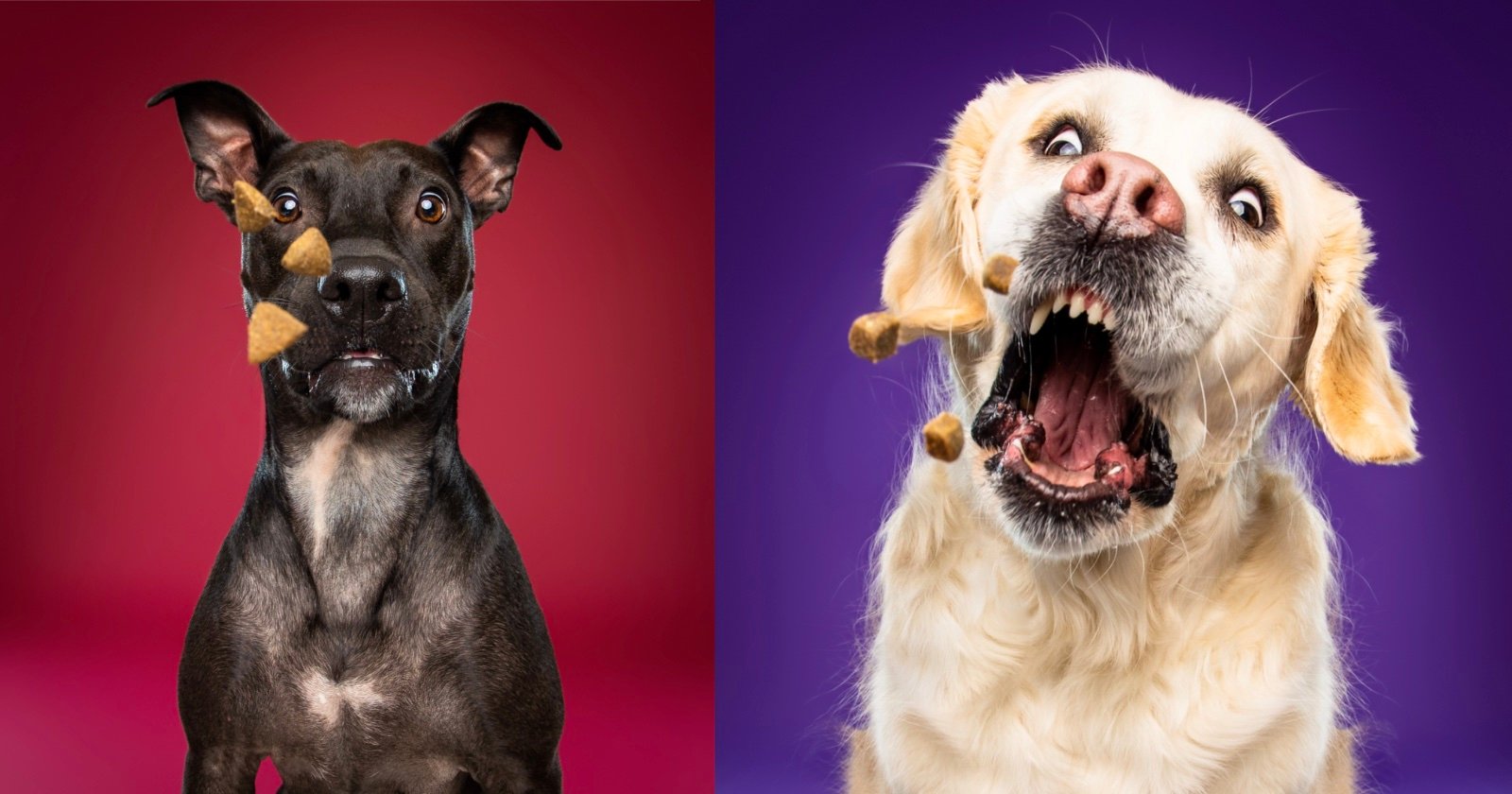
A photographer has become an online hit for her striking, fun, and quirky portraits of dogs.

A photographer has sued Megan Thee Stallion for harassment and a hostile work environment -- claiming that he was forced to watch the rapper have sex with another woman right next to him in a car.
Lighting on cinematic photo or video production sets can sometimes be an overwhelming experience. While lighting companies continue to improve both the ease of use and quality of the light lights, mastering and adjusting the setups can take a lot of time, effectively slowing production to a halt when changes need to be made. Thankfully, creatives that leverage the power and simplicity of the ProMaster Light Attendant App can quickly and easily master all of their on-set lighting needs.